
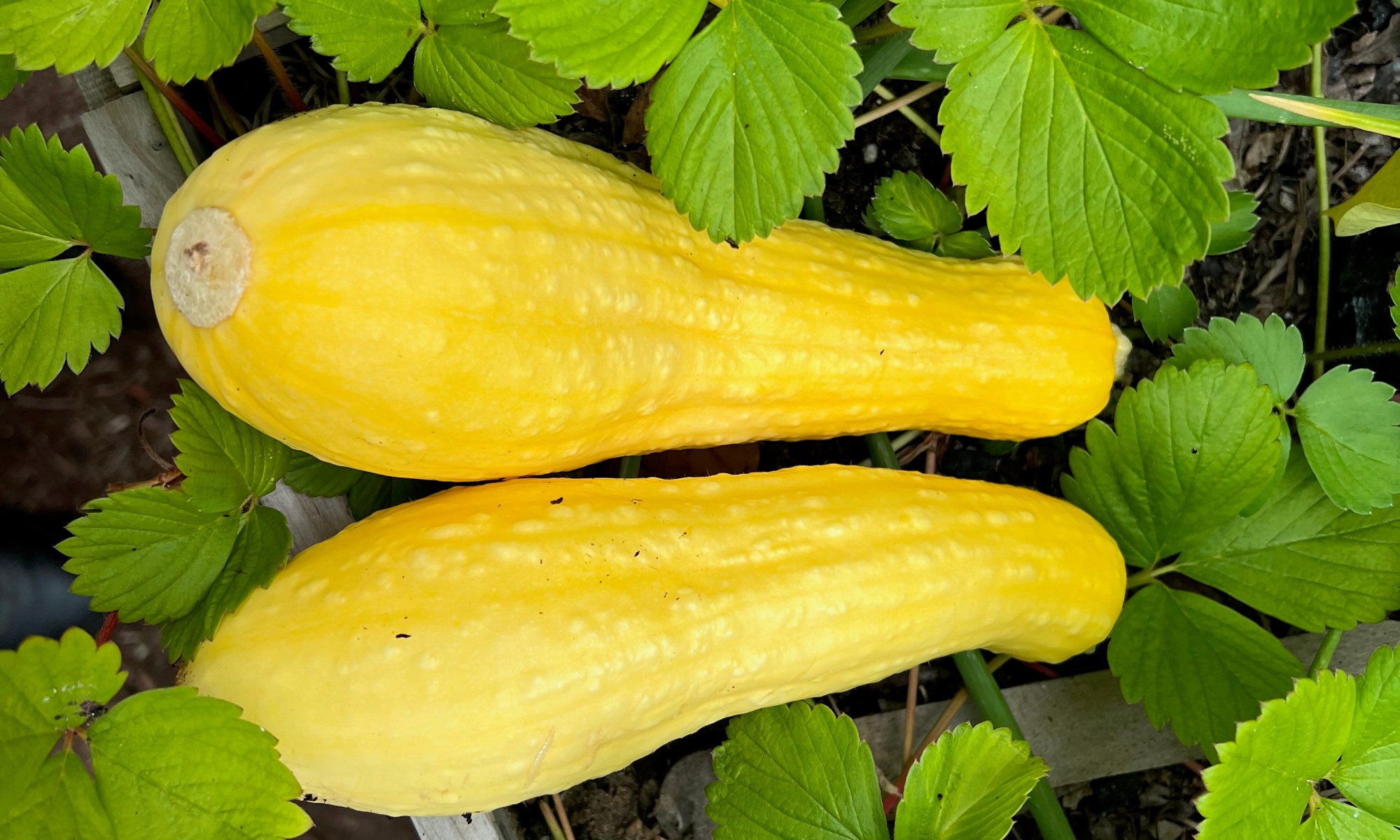
Gardeners don’t always share common languages. But they share similar joys, frustrations, challenges, and crops. Between groups of people, methods vary. You prefer to grow a paste tomato grown from seeds snuck in from Italy in an ancestor’s intimate luggage. I grow cherry tomatoes for salads. But we share a fence and spend time at the fence weekly, exchanging methods, seeds, problems, and solutions. Gardening is the language that binds us together, even if we are from Portugal, Italy, Lithuania, Ireland, or Poland.
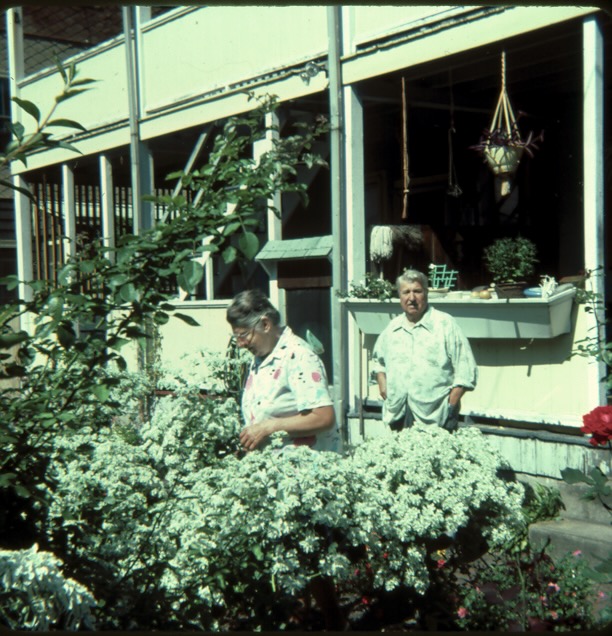
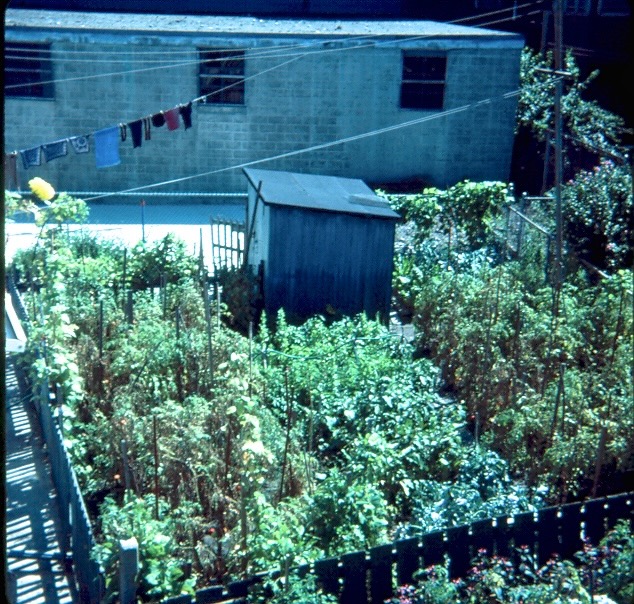
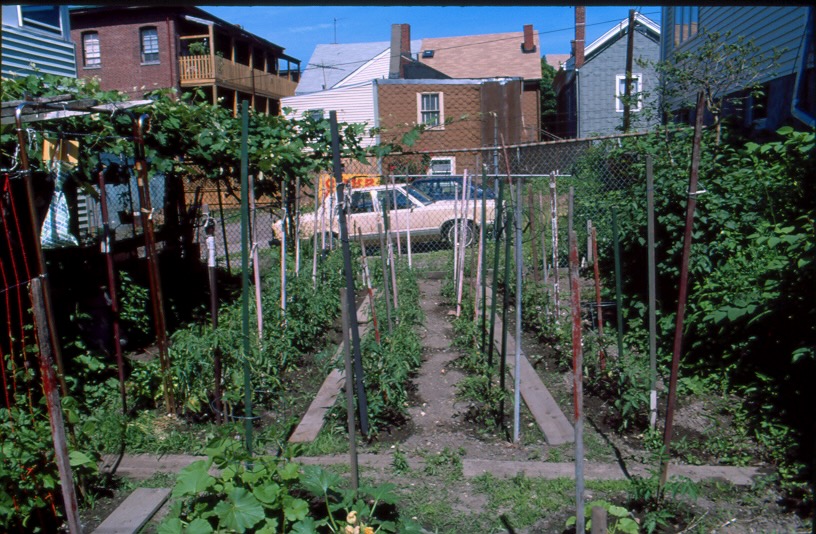

I described above what I found when I started working in a small multi-ethnic community in Eastern Massachusetts in 1981. Over the years of doing research with local gardeners and cooks, we developed a program we called the Hidden Countryside. We called it this because inside the blocks of urban two— and three-deckers were hidden expansive and small country gardens—expressions of the home cultures of gardening, cuisine, and sometimes folk medicine. The name was chosen by the gardeners because it was their project as much as it was mine.
The Hidden Countryside was picked in 1987 for inclusion in the Smithsonian Festival of American Folklife 1988. Many of the gardeners and others from around Massachusetts traveled to Washington and talked and demonstrated their traditions to the Nation.
I am long gone from that small community, and the ethnic composition has changed. There are new people, new traditions, and the same spaces—just a new Expression of the Hidden Countryside.
Discover more from Louis N. Carreras, Woodcarver
Subscribe to get the latest posts sent to your email.
I love this. In my hood in San Diego — when it suddenly got gubmint money for some urban renewal — two community gardens emerged. Most people lived on property that had been zoned for two houses, so they had no room, or they lived in apartments. The community gardens are still there. I had a big yard and garden so I didn’t participate. I just appreciated.
Gardens help maintain, or even build community.
Yes they do. The gardens brought people together who’d lived nearby and had never spoken. I loved CA, but it doesn’t have that “everyone’s your neighbor” feel that this town had before 2020 and still has to some extent.