
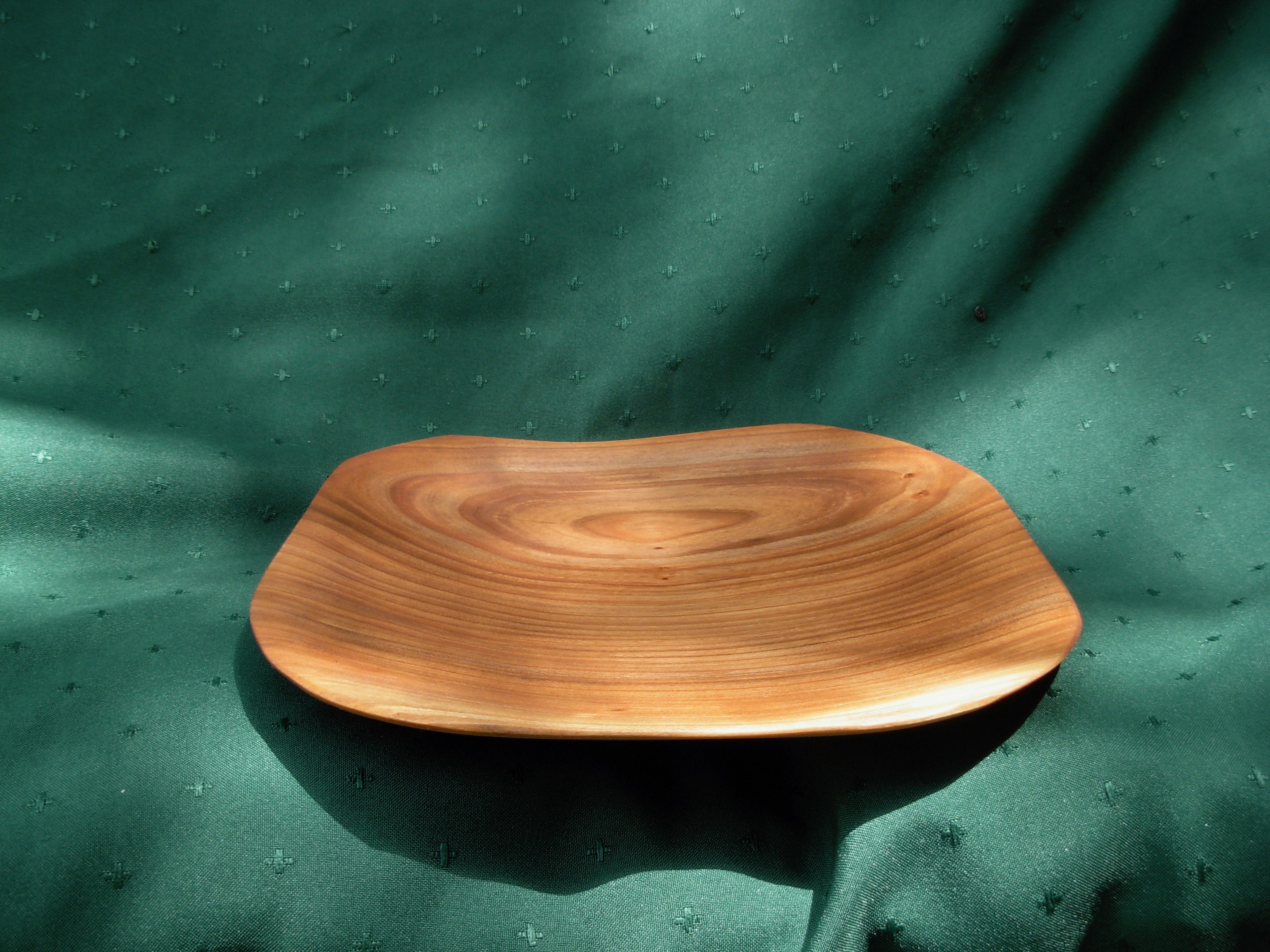
The term leftover takes a bad rap in our society. But that’s because we have options to disparage valuable used materials in favor of new. With fewer options, you make other choices.
While running a Folklife program for a federal agency, one of my staffers gave me a gift made by an Indonesian youth. It was a sort of lobster made from egg crates and other bits and pieces. It scuttled around realistically when manipulated with a string. Next year I found some neat little autos made from cut-up bits of soda cans.
After my federal job went south, I learned firsthand the need for using leftovers. As a woodcarver with a very marginal business, wood was my most considerable expense. I found a local mill that produced large amounts of cherry, oak, and maple flooring and paneling. They sold their “shorts”—pieces too short for their use but too long for scrap. They also gave the waste away as firewood. Their waste stream fed directly into my product stream.
A favorite dish in our house is my wife’s Shepard’s Pie. It has a crusty biscuit covering. Beneath the biscuit is the filling made from leftover dishes that week. It’s always variable, filling, and a culinary opportunity to enjoy.
So the problem isn’t with the material; it’s with the mindset. The leftover is the opportunity.
Discover more from Louis N. Carreras, Woodcarver
Subscribe to get the latest posts sent to your email.
That shallow bowl/plate is gorgeous.
Thank you. It sold within five minutes at the show I showed it at.
It reminded me of some sushi plates I have from a local potter. The ‘plate’ was curved like your plate, with four little ‘feet’ on the bottom. I could picture little wooden balls as feet on this. Let me know when you need more ideas, Lou. I got a million of them! 😂
You got it, Lois!
Yep! A few of my best paintings were painted over “failed” paintings.
Well that’s a healthy attitude. Around here no wood goes to waste; it can always be recycled. real failures wind up in the stove, and the ash fertilizes the garden. So no waste!
No waste!