Mastery

I’ve gotten good at many skills. But not many have been mastered in an orthodox manner. Let me explain. What you become good at might be an intersection between opportunity, interest, and aid. All kinds of things are possible, but not all are realized.

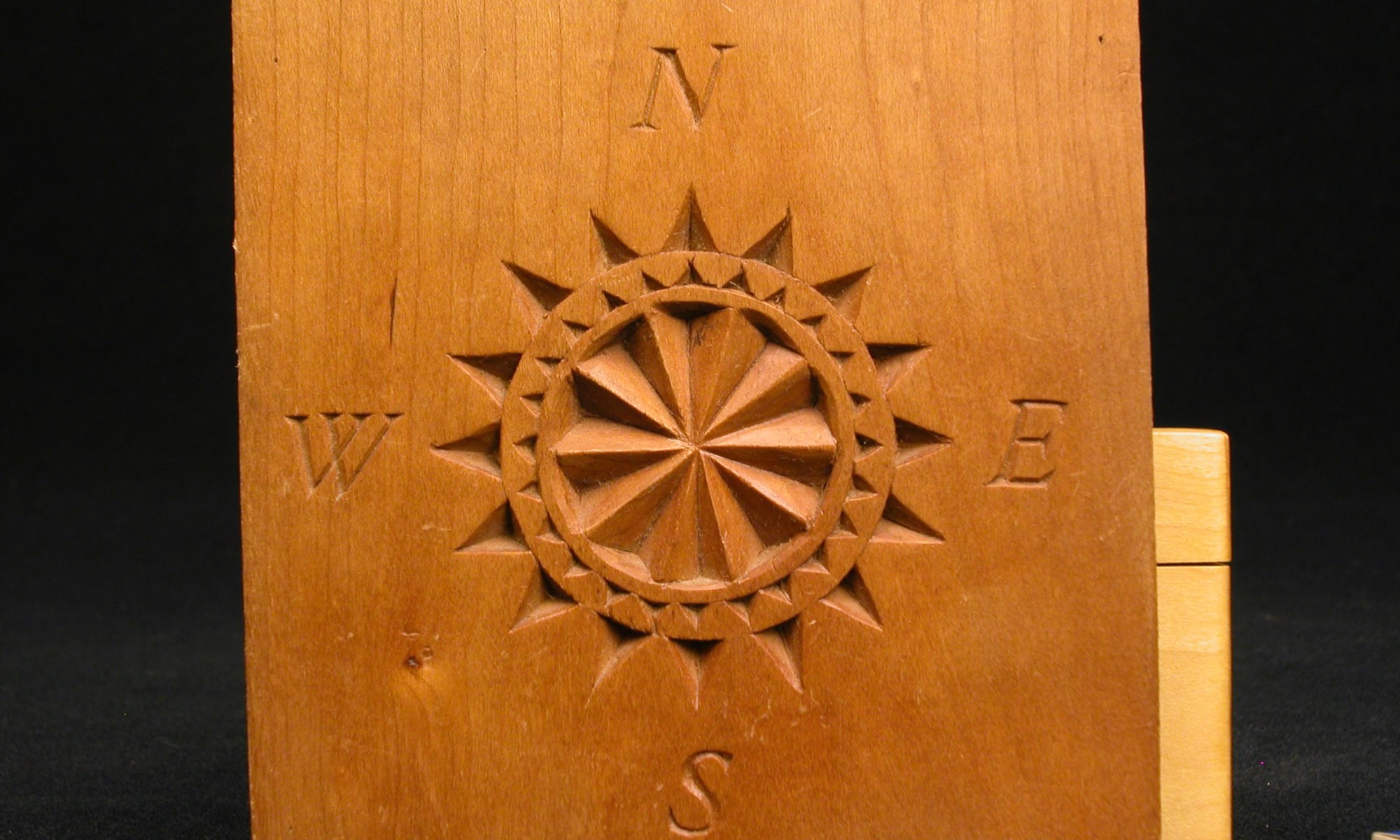
I am primarily self-taught as a carver, but some crucial books offered hints and tips. Then, there were also mentors. No, not teachers. In those days, when I started, I was too undisciplined to settle down in someone’s studio to learn the basics. And I was much too poor to afford to go to a school or classes. So I’d occasionally visit a mentor’s studio or shop and pick up what was on offer.

If you are self-taught, you may tend to skip things that don’t interest you. Boring basics that perhaps require patience. You just want to get ahead to the “good stuff.” Later on, you “discern” that things are missing because you skipped a basic technique to plow on to something that interested you. I didn’t learn chip carving until I had been carving for about twenty years. It was boring to me. When I learned it, though, it opened up new realizations about knife control and the sharpening of tools. When I began teaching, I made chip carving the introduction to the craft. The basic that I had skipped was a valuable foundation.

I am not advocating for everyone to follow a buttoned-down route to art or craft. Breaking the rules is an invigorating thing that can lead to valuable creative moments. Too rigid adherence to the rules can lead to boring work. No, you need to find an in-between, a balancing point.

The Samurai master Miyamoto Musashi, in his Book of Five Rings, offers a bit of trustworthy advice: from one thing you can learn a thousand things. The aphorisms that Musashi offered were much more than funny sayings. He was a Swordsman, poet, and artist. In the Book of Five Rings, he tried to reduce his methods to key concepts.

The principles of learning are transferable. Learning carving was a gateway to learning many other skills. And the habit of learning is perhaps the most important underlying skill of all.

The habit of learning is perhaps the most important underlying skill of all.

Judo To the Rescue

originally posted April 1. 2021

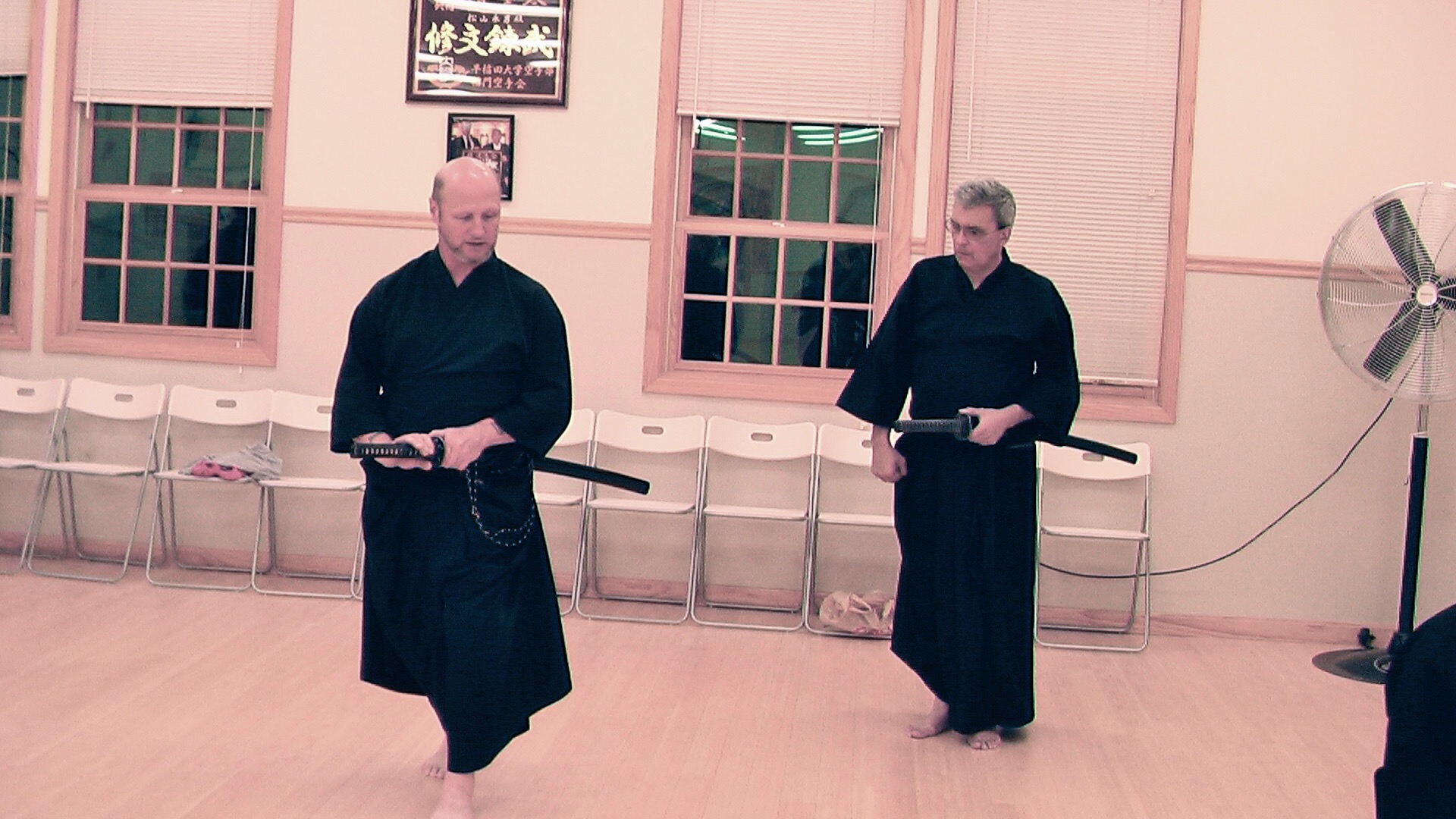
When I was 15, my father enrolled me in Judo classes at a downtown New York City dojo. The instructors, my senseis, were young Japanese Judoka ( Judo enthusiasts). Their English skills were minimal, and much of the instruction required interpreters and much show and – “do it this way” demonstration.
In today’s terms, I had an attention deficit disorder. Teachers despaired of me. But the dojo seemed a good match for a kid who otherwise appeared to be only interested in his guitar.


At the dojo, I had two instructors: Sensei Ishido belonged to the school of throwing them around until they get the idea and learn to counter the technique. This method worked best with the former military in the classes; they had a Karate and Jujitsu background and already understood what was going on. Not so much with me, who gang members used to clean up alleyways. A conference among senseis placed me in Sensei Watanabe’s class instead.
Watanabe Sensei did understand that I had a problem at dojo focusing on technique. His method for focusing me on my learning problem was to painstakingly breakdown each throw and have me practice and practice until my muscle memory began to develop. Eventually, I flawlessly executed each technique. Twice a week, week after week, I traveled to the dojo to pound my body against the mat as I got thrown, and in turn, threw my fellow students.


Eventually, I improved and began to move up the ranking system of belts. Sensei decided that I needed a challenge and at randori ( sparring) matched me with a much taller, very advanced student who initially used me to clean the dojo mats. It didn’t help that the senseis found this amusing.
The amusement irked me more than a bit. But in a flash of inspiration, I used a surprise technique I had watched a visiting teacher from Japan use. Moving in as though I was preparing for a hip throw, I instead pulled the gi ( a heavy canvas practice jacket) off my opponent’s shoulder. In the tiny amount of time that this distracted him, I jerked his body off-center, stepped in, and tossed him to the mat with the most straightforward footsweep technique that all students learn in week one. To add insult to injury, he landed badly. I had won the randori, and the senior student went off to practice ukemi ( correct falling technique).

Over time, I found that while Watanabe Sensei’s teaching technique did not solve all of life’s problems, but it applied very well to learning guitar and later carving.
We all learn in different ways, but I think the test of an excellent learning technique is how the student adapts it for use in other areas.