I bake at this time of year. It was my “don’t eat and drive” fruitcake earlier this month. But just before Christmas, it’s Grandma’s Poppy seed bread. Every Christmas and Easter, she’d make a large batch of the long loves filled with poppyseed filling; especially at Christmas, it wasn’t the holiday without her specialty.
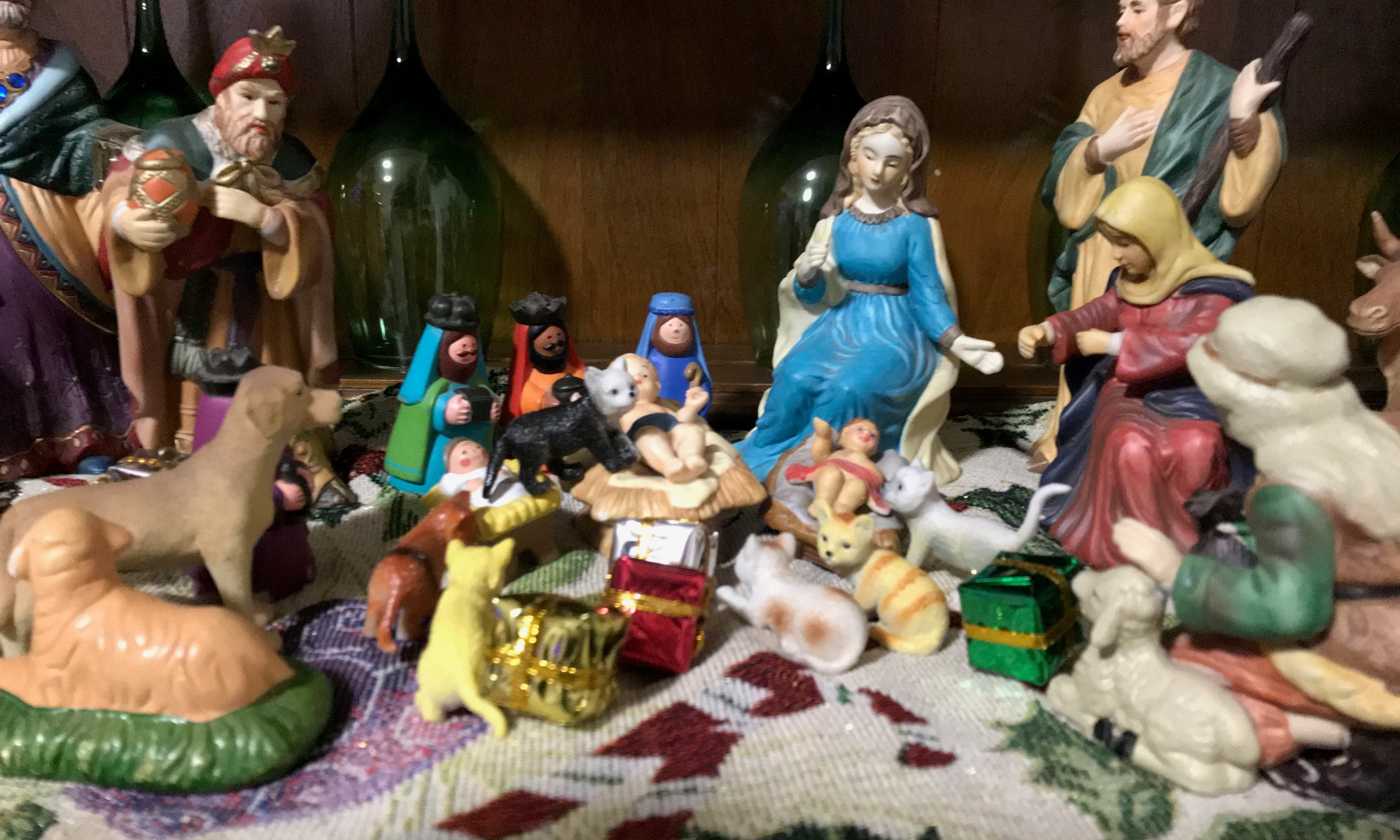
More than food, it was as important as the little German Santa with a pack on his back, the nativity scene, or the decorated tree. So when Grandma died, a key element of the family Christmas disappeared. Did she leave a recipe or teach someone how to make them? Of course not! That wasn’t Grandma. She’d say, “Oh, it’s simple. Just a bit of this and a bit of that.”
The family, being Carreras’, all pitched in to solve the issue. First, there were the Christmas-time sessions regarding what she said was in it. There were eggs, milk, sugar, butter, flowers, and poppy seeds. But they all baked very little and were stuck soon. So, for years, it was left at that. Christmas gatherings had debates about the bread in place of poppy seed bread. They’d talk about what it tasted like, where she got the special Hungarian poppy seeds, and how Grandma took revenge on family family members through the poppy seed bread.
Revenge through poppy seed bread? Yes. Family members on Grandma’s Naughty List got the loaves with hollows, little poppy seed filling, or ends that were primarily bread. This bit of family lore eventually became a trope at gatherings where we’d laugh at why one might wind up on the Naughty List.
This was where it rested for many years: there was much talk of poppy seed bread but no bread. Then, I took it upon myself to recreate the bread. There were years of failure. Then the internet came along, and I was able to research the tradition via others who created Hungarian poppy seed rolls and bread. I had a credible duplicate of grandma’s bread within a year or two.
I’ve shared the recipe, and the bread is once again part of the family tradition. I continue to experiment, and this year I tried making it in loaf pans rather than large loaves on a sheet.
I have yet to figure out how she knew which ones had little filling and solid ends. My interest is purely academic. I have no intentions of using this punitively—of course not!
Like this:
Like Loading...
You must be logged in to post a comment.