
My pumice arrived the other day. Not the light, float-in-the-water hunk that you might use to remove calluses from the bottom of your feet.
This was a jar of finely graded powdered volcanic glass for creating a final polish on varnish. Correctly applied, it smooths away swirls, brush marks, and imperfections in a varnish finish. It leaves a drop-dead, glorious, glowing surface.
Polishing with pumice was something I routinely did in the seventies. It’s been replaced by higher-tech expensive abrasives. Once, pumice had been available on the shelf with other finishing materials, but now you’d search in vain to find them.
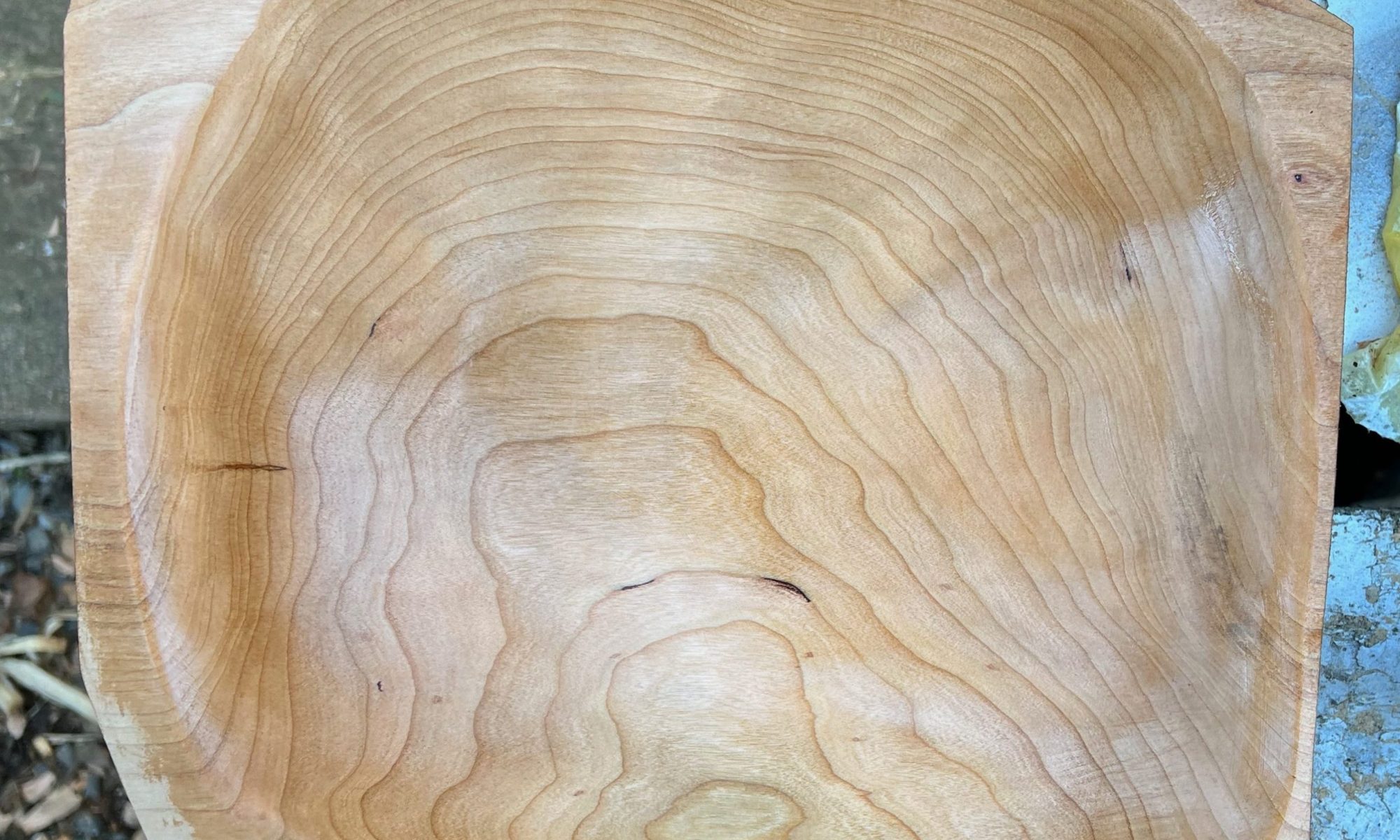
In December, I found pumice for sale on my favorite tool and supply site. No, not AmaZoo, Lee Valley! Waxing sentimental for old times, I ordered some. When I complete sanding the series of cherry bowls I am carving, I’ll give them several coats of varnish. Sand lightly between coats, and after the final coat of varnish, I’ll rub out the imperfections with oil and pumice.
Overt swirls, blushes, and minor imperfections are one thing on a piece that you will not look closely at, but a bowl? You might notice it on something you will put food in, look closely at, or admire the grain whirling about.
So, for the cherry bowls, it will be back to the traditional technology of smoothing that may go as far back as the Romans, who certainly understood the uses of pumice.
Discover more from Louis N. Carreras, Woodcarver
Subscribe to get the latest posts sent to your email.
I do have some wooden bowls that I refuse to put anything in because that whirling grain is way too pretty to cover up.
Part of the beauty of wood!
Well if you’re going to live among volcanoes, you’d better like pumice. Words inscribed on the side of mount Aetna…
I meant Vesuvius… My brain hurts
Too true! about Vesuvius i meant.