
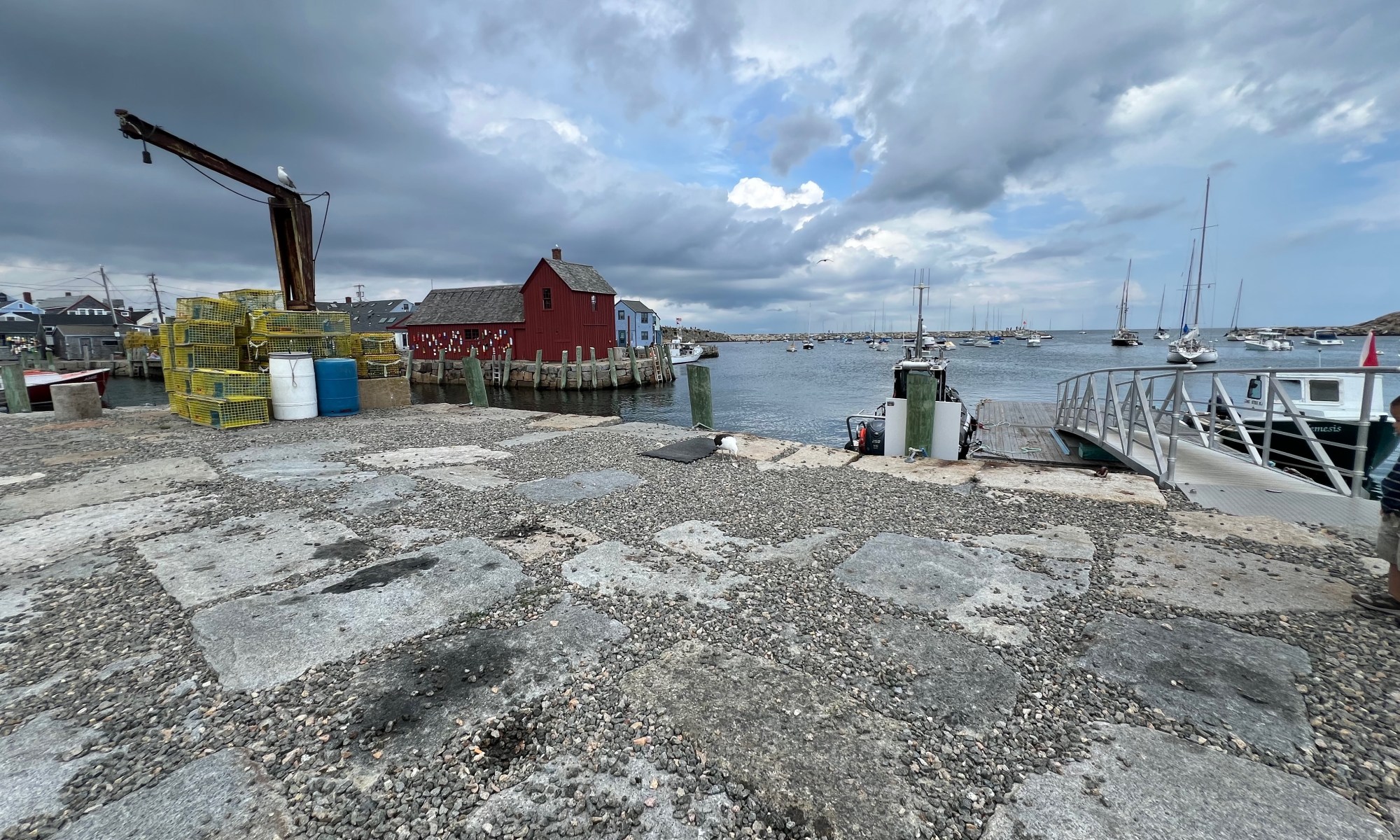
So, as sailors like to say, this is a true story; I was there. Well, that’s not so true. However, while writing the story in 2020, I borrowed heavily from boatyards that I knew intimately. And yes there is a 1932 REO tractor in a yard I know of, and I think it may be in service to this date – just as described.
REO
Spinney was going to see his new accountant for his tax review. Last year, on his own, Spinney had tried to sell the IRS on a depreciation of the 1932 REO he used as a tractor for hauling boats. After being driven in reverse into the cove, its extensive rebuild should have qualified it as a new equipment item. At least Spinney thought so.
The IRS disagreed, which was a shame because the only original parts in the darn thing were the frame and a single axle; everything else was new or new used from the junkyard.
After losing the tractor argument, Spinney reflected on the unfairness of the tax code. Massive tax write-offs were given to the Allen yard for the brand-new 20-foot launch. They spent huge money on that! But, not cent came the way of a frugal yard owner. His yard workers referred to his tractor as “vintage.” suggesting that Yankee Magazine might be interested in featuring them as the oldest operational tractor in Maine. Or that the Maine Antiques Digest would be interested in advertising it for sale to a collector.
I thought that Spinney carried Yankee frugality to the extreme. All the talk of the Great Depression’s adversity rang a chord with me—I was the child of Depression-raised parents. All the workers were tired of taping up extension cords and hoses that were frayed beyond repair. He did everything but sit in his office, watching the electrical meter spin.
For Spinney, the problem was cheapness. But not the way he thought of it.
Every other yard charged more per foot for storage and repairs. Spinney’s eyes were on the costs of running his business, not the income from his company. The previous accountant had tried to talk him into raising prices. No, Spinney told him. The lower prices attracted customers. But, maintained the accountant, his cash flow was affected, and ultimately his profits reduced. Spinney disagreed and scraped by every year while Allen’s charged a premium. He lost clients to Allen’s because Allen convinced them that the goods and services he sold were of better quality than Spinney’s – take a look at the ratty extension cords and hoses, a safety hazard!
Spinney, a dedicated deacon in his church, took the Old Testament injunction to heart: “You shall not muzzle an ox while it treads out the grain.” So he didn’t mind scrap wood walking off with Bubba as kindling for his wood stove, nor begrudge me a bit of varnish to finish off a project. But he chose to economize on the strangest things, like the 1932 REO tractor and the extension cords. He staunchly maintained that down the line his methods would prove to be best.
We all laughed at this until the day the film crew showed up. Folklife Films came to town looking to film a documentary on traditional boat building around the coast. Over the next several days, their location specialists visited every yard around. They spent lots of time at Allen’s of course, and the talk at the Harbor Tavern was that they’d be back in a week to start shooting there.
Just before the location crew left town, one of their team wandered over to Spinney’s. In about ten minutes, he had the entire crew examining our full setup. They ooohed and aahed over the 1910 planer with no safety guards that we all complained about. They nearly had an orgasmic experience when they saw us using the 19th-century ship’s saw. The antique table saw was affectionately patted and examined. But they saved their true ecstasy for the 1932 REO tractor. It sealed the deal for them; Spinney’s yard was where they wanted to do their documentary. Yes, Allen’s had all the modern do-dads. But, Todd Allen looked like the IBM executive he had been before coming home to run the family business. Spinney looked the part of a cranky Down Easter.
Spinney was insufferable after this and made sure that we all understood that his methods had paid off. At the film company’s suggestion, he replaced the worn hoses and extension cords. But that 1932 REO tractor could still be there, for all I know.
Discover more from Louis N. Carreras, Woodcarver
Subscribe to get the latest posts sent to your email.