
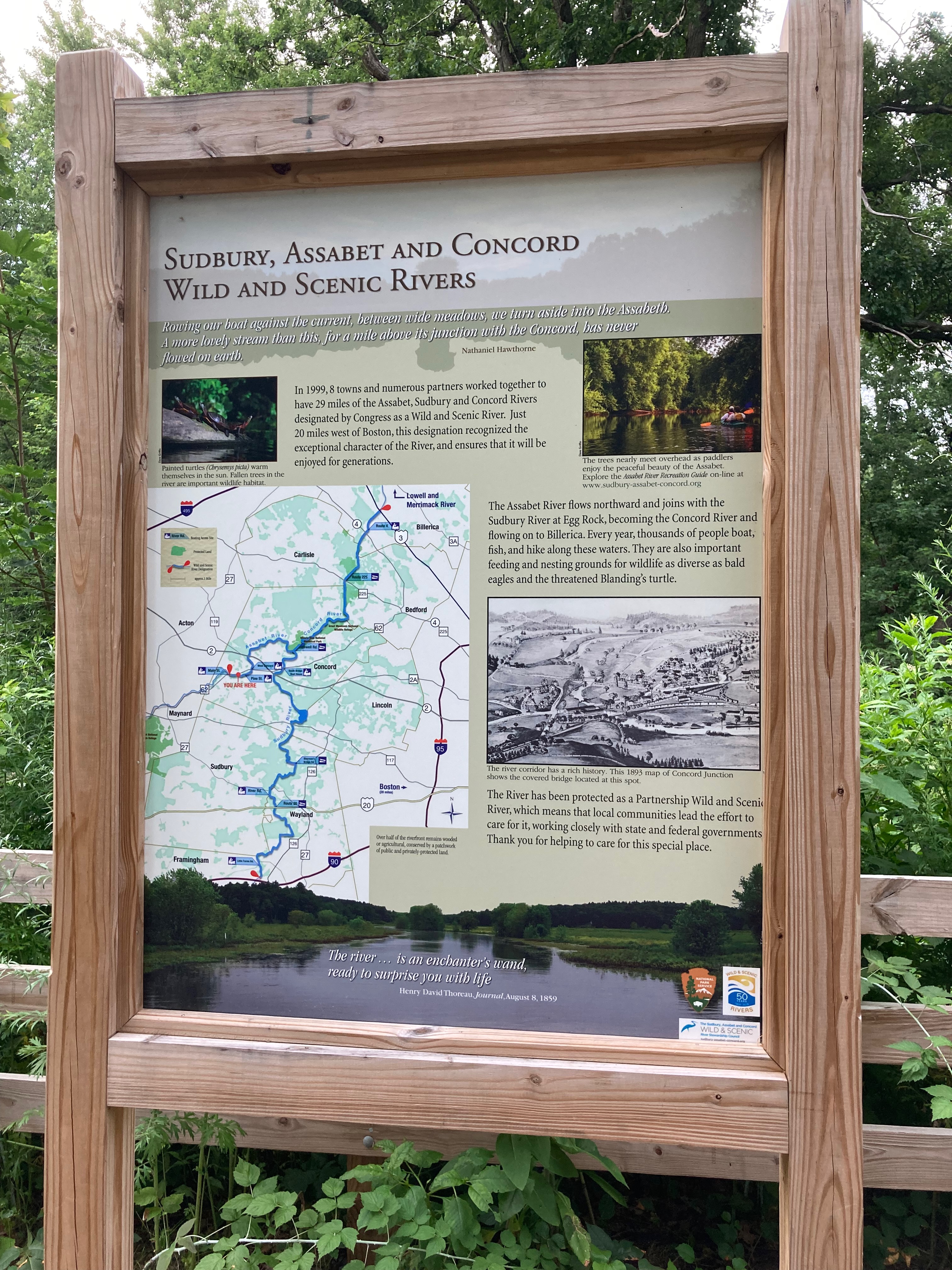
At one time in New England history, to be on the map as a community meant being incorporated into the region’s rail network. The iron rail coiled, twined, and netted the area from the New York border with Connecticut to Maine. We had a modern ( for 1900) and replete public transportation system.
Beyond the railroad, there were the interurban streetcar lines. Using those, you could almost span New England on the cost of a ticket and transfers. I was told of one man who worked in Waltham, Massachusetts, and came home to suburban Portland for weekends.
I’m not sure I’d like his commute. But I marvel at how you could meander about the landscape of the cities and countryside without a car.
This transportation infrastructure was largely abandoned by the end of the twentieth century. Formal abandonments allowed the remaining railroads to pull up rails and turn away from communities. Abandoned factories, grass growing over old tracks; all this formed a sort of pathological appearance to a post industrial New England. The bones of history were left in place, and never removed. So, the old transportation corridors remained, grown up in weeds, and eventually reverting to woodlands, marsh, and meadows.
Rail Trails
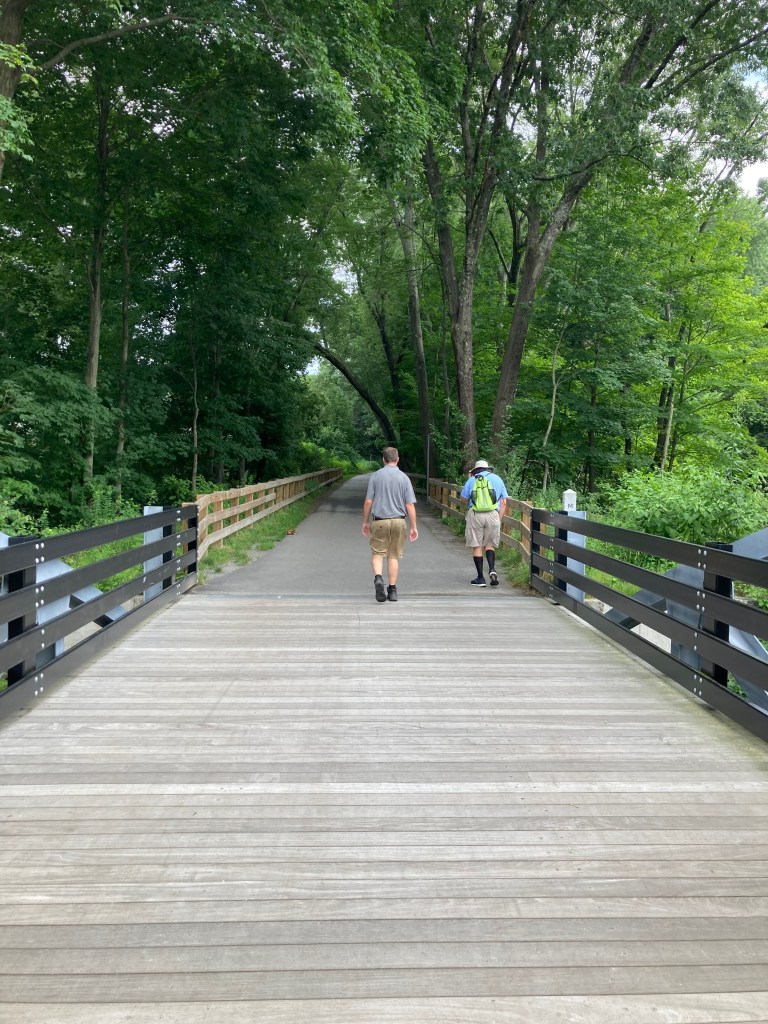
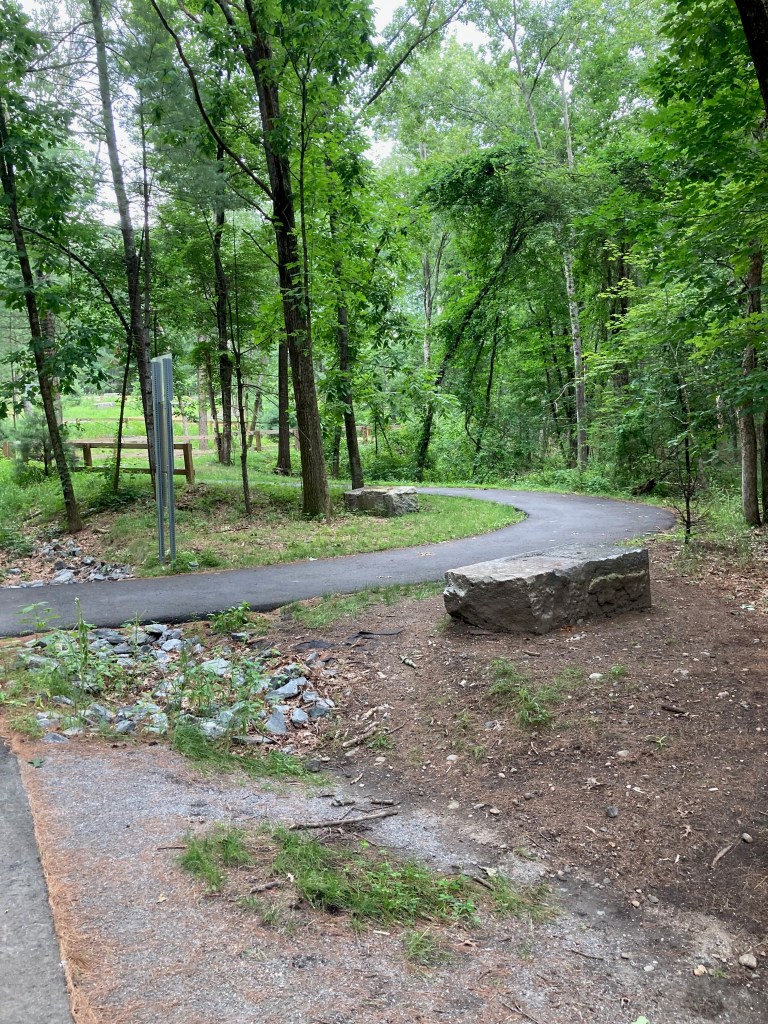
Eventually, groups came together to convert these abandoned lines into rail trails. Many of these exist in my area, and my wife and I have regularly hiked them. Last year, this was part of my physical therapy before and after my hip surgery. Walking them became part of my post-operative physical therapy as I reconditioned my body to move with the new replacement hip.
The old railroads measured and laid out their routes for the greatest energy economy possible. Grades were the enemy; you consumed fuel, fuel costs money, and money spent meant less profit. As a result, while they meander, most rail trails are either level, in cuts, or on elevations that keep the grade gradual. Perfect for walking and biking.
This fall, I’ll hit the trail for leaf peeping. I’ll snowshoe across meadows in winter. In spring, I’ll hunt early wildflowers along old embankments—all within seven miles of where I live. And in the trail left by the old steel rails of the railroad.



Discover more from Louis N. Carreras, Woodcarver
Subscribe to get the latest posts sent to your email.
Good luck with your surgery, Lou.
Thanks, Tracy. It went well; I’m just tired, bored, and very sore now.
Think of the bushwalking to come, Lou. I hope you can find an activity to take your mind off the pain in the meantime.
Wishing you well!!!
How interesting. Did they actually pave over the rails, or make wooden walkways over them? Looks as though they did in the photos. Are there still rails under those walkways?
The rails were removed, and a paved walkway was created. Most are lovely.
This is so wonderful. Before the whatever the hell it is that happened this year there was a funded plan to convert a rail from here to Del Norte to this kind of trail. It would have been great, but now the plan is dead.
It would have been a huge asset. The ones in our area are very enjoyable.