
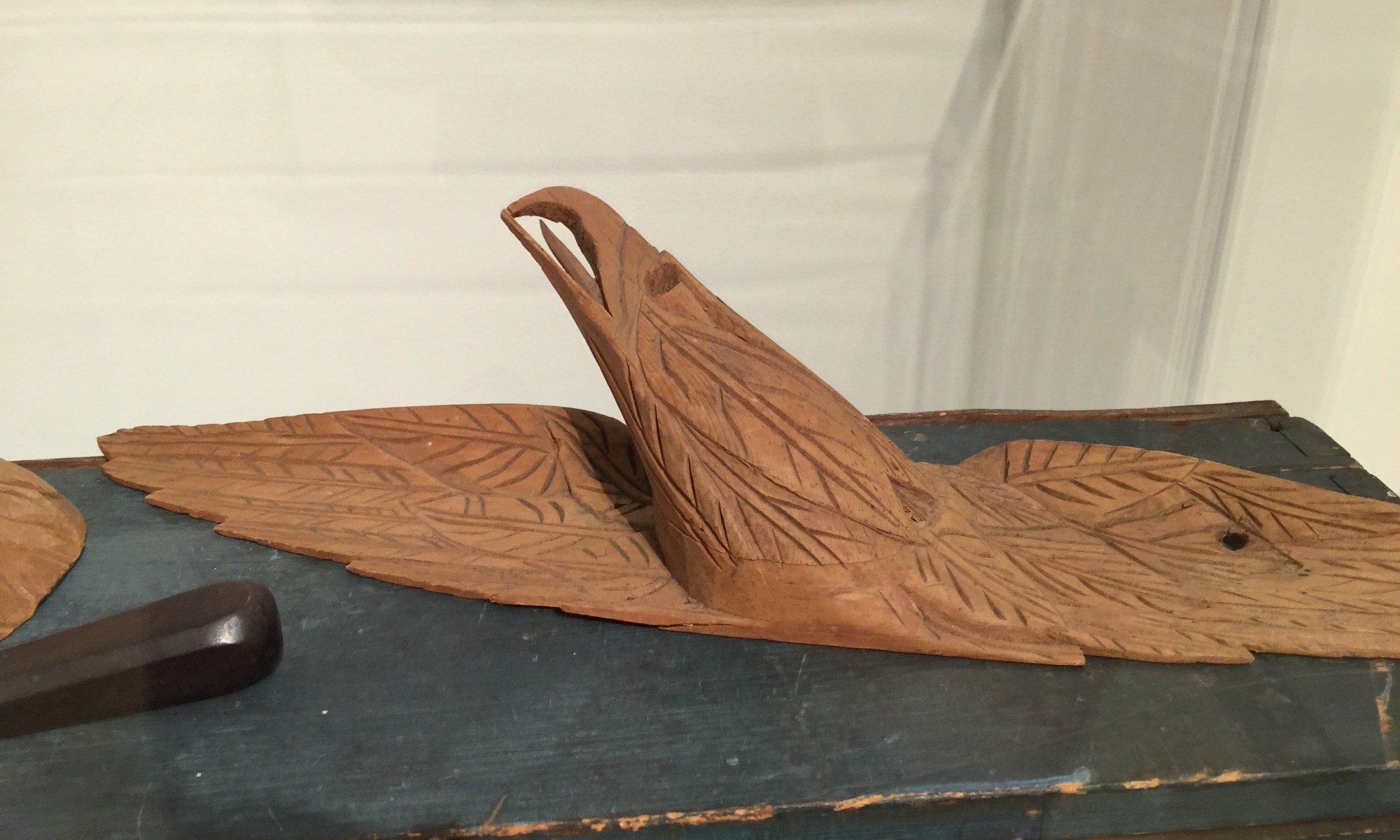
When I lived in Baltimore many years ago, I was a regular visitor at the Walters Gallery. I’d make a beeline to display a case that held miniature carvings done in boxwood. Tiny, precise, and beautiful. I was beginning my journey as a carver, and I took inspiration from those carvings about what was possible for a carver.
Over the years, I’ve considered those carvings an aspirational high point in carving. But my carving is more interpretive than precise. I decided to leave the absolute precision to friends like Bill Bromell, who used watchmaker tools and miniature lathes to shape tiny parts perfectly for model ships.
I made carvings for the bows, sides, and transoms of boats. Excess detail becomes damaged. So I do what any ship’s carver does: I hint but do not offer breakable complexity. There are tricks to this that are rarely mentioned in books. Only two books I know of talk about the trade of being a shipcarver. So, there is a lot to learn. And only a little available to teach it.
Inevitably, you become curious about how other people doing the same work do it. But ship’s carvers are thin on the ground, and none of the folks from the old days are still around. There were no YouTube or TikTok videos available. And they did not write books on how to do it. So you study the carvings, and when possible, you look at the tools.
Your tool kit reflects the carving that you do. Looking at a carver’s tool kit, you can start making reasonable guesses about the work. But tool kits disperse rapidly after a carver dies. Nobody else in the family is a carver. The tools are so much steel to the person clearing up the estate, and no one understands what half the stuff is for. So, the tools go into the estate sale and go to used tool sellers.
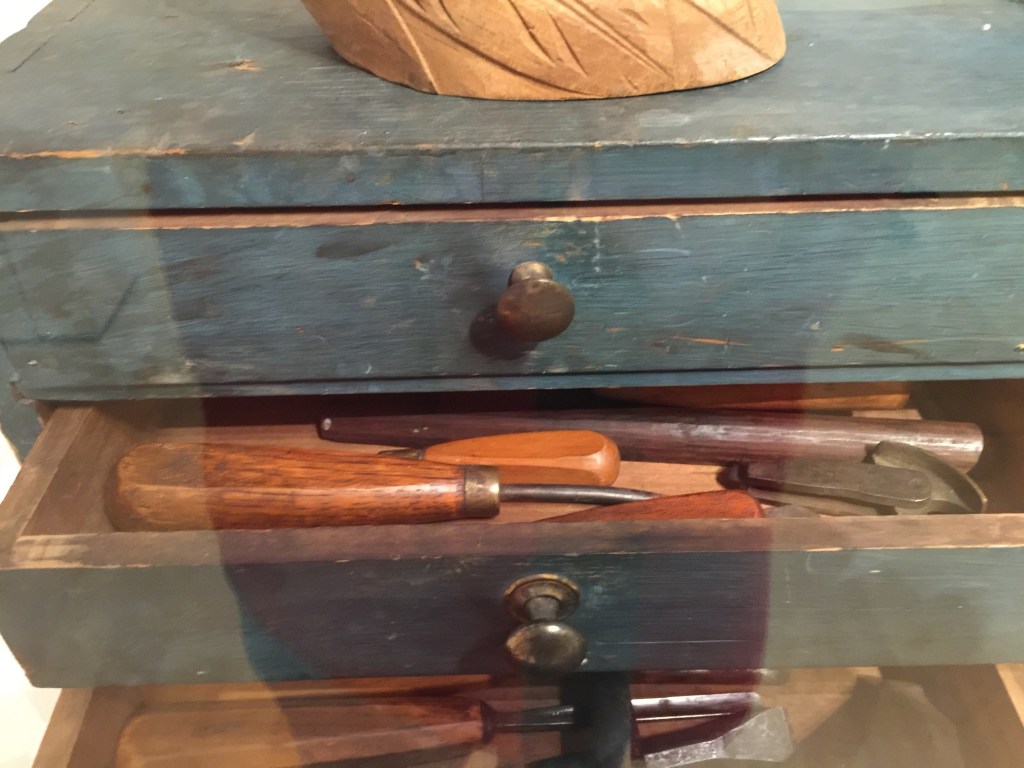
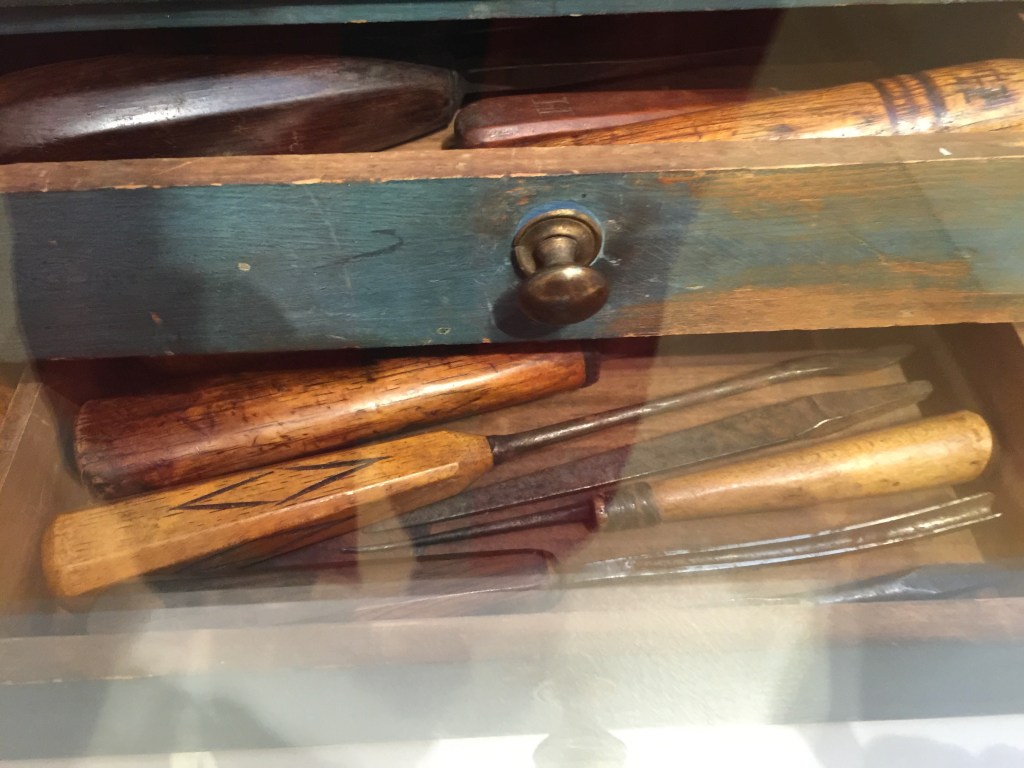
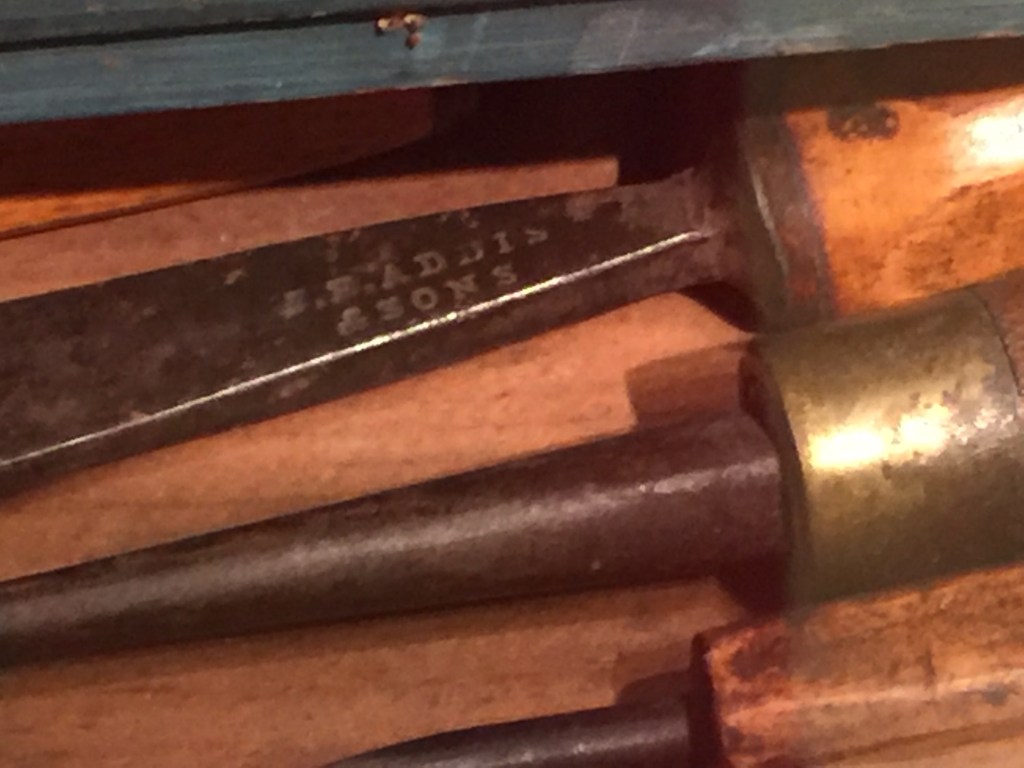
In the case of John Haley Bellamy, though, someone must have realized that his tool kit, or a part of it, might be of interest in a museum. There is an open chest of Bellamy’s tools at the Peabody Essex Museum in Salem, Massachusetts. You can see peeking into it that, like many of us, he likes Addis tools and has various regular and deep engagement tools. A steel stamp is inscribed with Bellamy ( used to mark work). The chest is only open partially; only another carver like myself would be so interested that it would be preferable that the chest be completely open. The effect they were going for was more that one of the craftsman had stepped away for lunch and left his tool chest half open.



Books, videos, and even workshops all have a place in working towards mastery. However, few of us serve regular apprenticeships. I’d offer these tips:
- Haunt museums and look at the carvings.
- Try to work backward to the tools and techniques used.
- Seek out mentors who you can tap for knowledge, and don’t expect instant mastery.
- Pay little attention to the tool offerings of the big woodworking companies and seek out restorable older tools.
More patterns, sweeps, curves, and styles are available than modern makers can afford to manufacture.
It’s a big puzzle, and you should enjoy solving it.
Discover more from Louis N. Carreras, Woodcarver
Subscribe to get the latest posts sent to your email.
Love the Walter’s Gallery!!!!!!
Absolutely, one of the treasures of the state of Maryland.
I love estate sales and always see some pretty wonderful tools in the garage or attic. The estate sale planners have the family clear out the items they wish to keep so it is kind of painful to see the beautiful tools on sale for a pittance. My husband has some of his dad’s old tools, but will my boys want them? Probably not.
That’s why I’ve piclked up about half my tools for cheap.